
Do you have to pay a fine if your home is vacant?
Find out when a vacant property costs you money and how you can avoid vacancy taxes in Belgium.
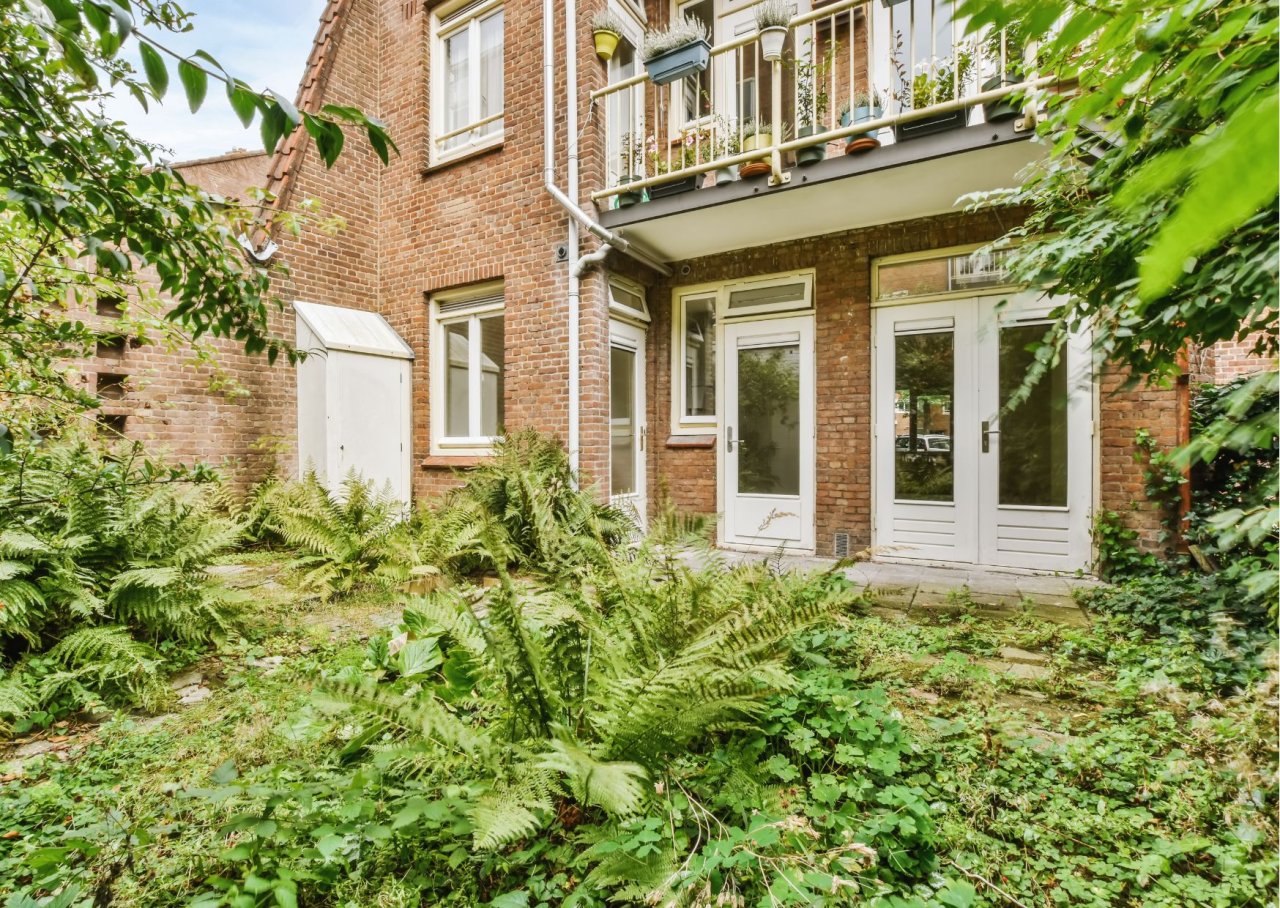
We’ve all seen them before. Those houses where nature is slowly taking over, the paint is peeling, and the roof seems to have a mind of its own. Vacant homes are an eyesore for both the neighborhood and the government. Because did you know that, as a homeowner, you literally have to pay if your house sits empty long enough? No joke. And the amount? It’s anything but peanuts.
The fine that's waiting for you
In Flanders, Brussels, and Wallonia, the government is cracking down on vacant properties. Municipalities are actively searching for vacant buildings, and if your home is among them, things move quickly. Unoccupied for just one year? Bam! In Flanders, you’ll already be listed in the vacancy registry.
What does that mean? A vacancy tax. It starts at around 2,800 euros in Antwerp and can go as high as 23,500 euros in cities like Ghent. Per year. Yes, you read that right.
And we haven't even mentioned urban decay yet…
Brussels, Wallonia, Flanders – it’s going to be an expensive affair
In Brussels, they’re taking it a step further. If your home is designated as vacant there, you’ll pay 500 euros per meter of facade, per floor. A home with a five-meter facade and two floors? 5,000 euros, every year, all over again. And if you don’t act quickly? Then Brussels Housing can even seize your home , renovate it, and rent it out for you. Talk about a loss of control!
In Wallonia? There, the tax is based on your energy consumption. If you use less than 15 m³ of water or 100 kW of electricity per year, the property is considered vacant, and you’ll pay between 500 and 12,500 euros, depending on the size of your home. Every single year.
And that’s not even mentioning the slum tax. Is your home registered as unfit or uninhabitable in Flanders? If so, you’ll have to pay an additional tax: a minimum of 1,250 euros, indexed annually and increased for as long as your home remains on the list. Painful.
What can you do (and what should you keep in mind)?
So, do you have a property that’s been vacant for a while? Then check right away to see if it’s been added to one of those registries. Because if it has, the clock is ticking—and so is your bank account.
Want to know if your home is listed in the vacancy registry? Contact your local government or check the online housing portal if your municipality offers one. Don’t wait until you get a fine to find out.
Fortunately, there are ways to avoid it:
Apply for an exemption if, for example, you are already paying property tax on vacant properties or are residing in a nursing home.
File an appeal if you believe you have been registered incorrectly.
You must live in or renovate your home for at least six months to be removed from the registry.
In short, letting a property sit vacant means losing ground. Do you need help filing an appeal, or do you want to know if your home is at risk? Feel free to stop by the Living Stone real estate office near you.